Products

What Webuild Delivers.

Four product families connect sensing, edge intelligence, robot action and one Physical AI platform.

Product Architecture

Four Product Families

Each family can be deployed independently or combined around a specific operating workflow.

How the four product families form a Physical AI loop →
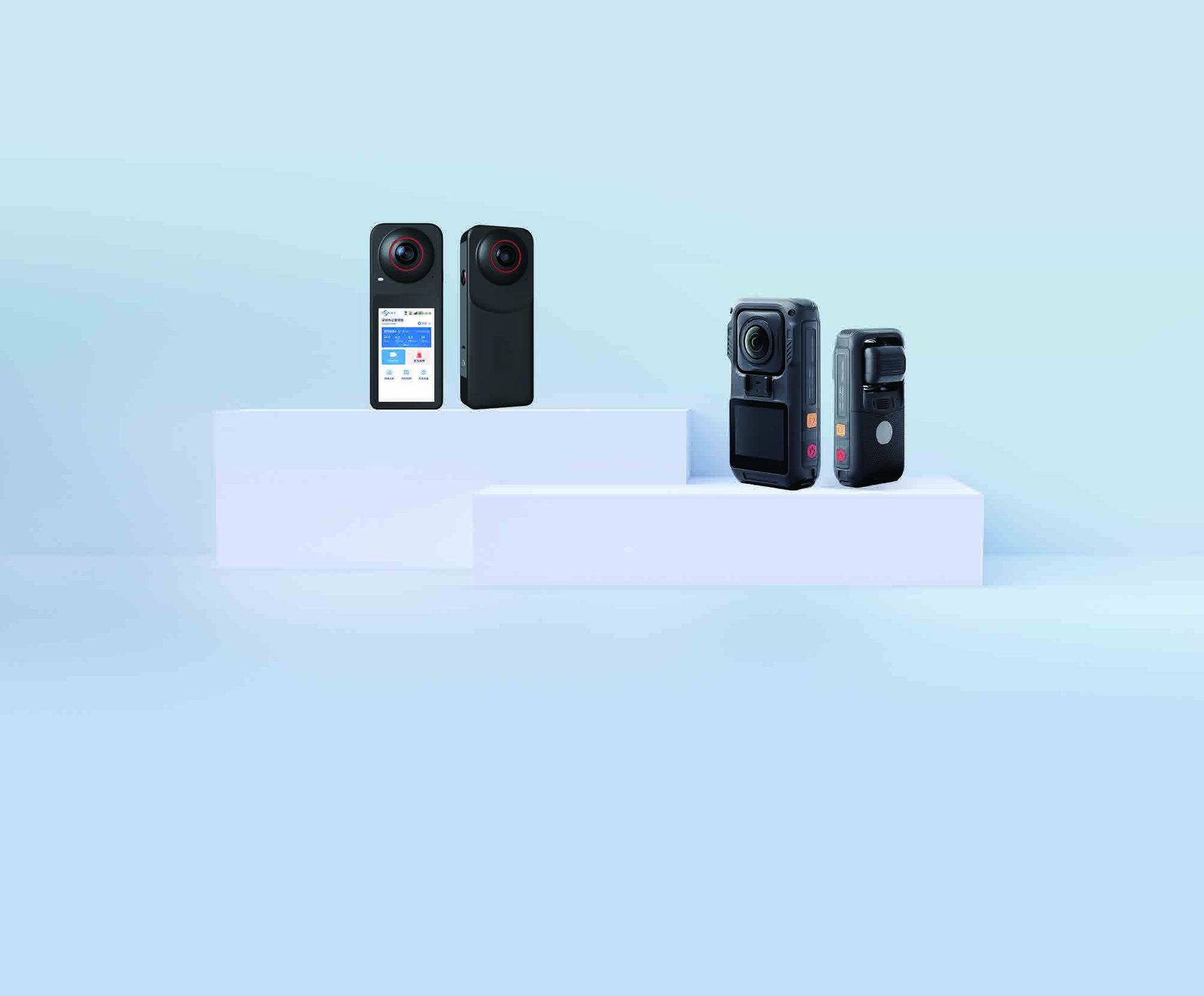
PanoGuard mobile panoramic sensing equipment family
01 / SENSING EQUIPMENT

SENSING EQUIPMENT

Intelligent Sensing

Multimodal sensing equipment for industrial spaces, mobile work fronts and robotic carriers.

Extend continuous sensing to mobile work fronts and spaces beyond fixed-camera coverage.

  • Panoramic and multi-view vision
  • Acoustic, gas and ultrasound sensing
  • Wearable and portable deployment
  • Payloads for robots, robot dogs and drones
Discuss This Product
Illustrative building and facility context, not a WeBox product photograph
02 / EDGE AI APPLIANCE / Context illustration, not a WeBox product photograph

EDGE AI APPLIANCE

Scenario Algorithm Box

Deployable edge appliances that package algorithms, connectivity and site integration.

Connect data, run site algorithms and output actionable results without rebuilding existing systems.

  • Energy and carbon optimization
  • Industrial safety video analytics
  • Equipment diagnostics and early warning
  • Video encoding, compression and edge connectivity
Discuss This Product
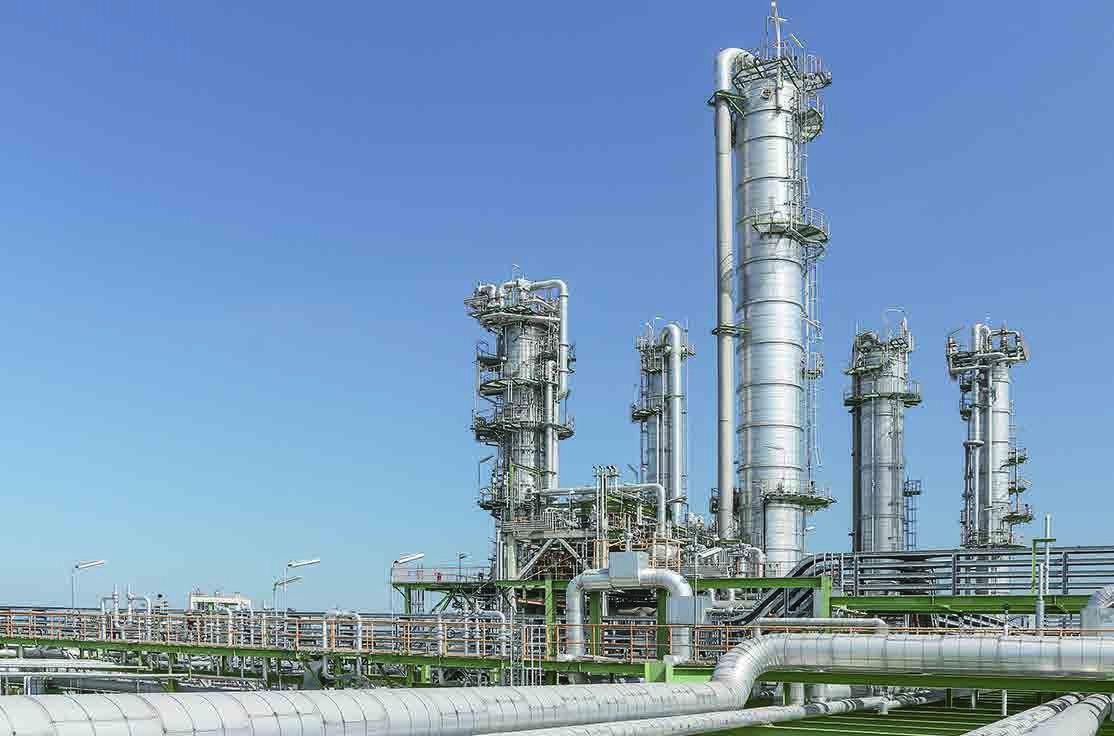
Reference image of an industrial refining environment.
Industrial setting reference, not a robot photograph or a photo of this project site.

ROBOT INTELLIGENCE

Robot Action Brain

An action intelligence layer connecting perception, world understanding, task planning and motion control.

Give different robotic platforms a shared understanding of space and a common task loop.

  • Visual localization and state estimation
  • Industrial-space world models
  • Task and route decisions
  • Motion control and execution feedback

Construction-site robot inspection: panoramic sensing, meter reading and risk-alert escalation

At a construction site, a robot inspection solution involving Webuild uses both robot dogs and robotic vehicles, combining automatic navigation, panoramic inspection and AI recognition for site inspection tasks.

The solution can recognize and read instruments such as flow meters and pressure gauges, and identify situations including workers without safety helmets or workwear and people entering hazardous areas. The project also uses gas monitoring, acoustic imaging and non-contact acoustic signature sensing, bringing physical signals beyond vision into the inspection process.

Area-safety functions include entry and boundary alarms for predefined hazardous or restricted areas, as well as AI identification of hazardous areas at the site. The linkage between identified areas and boundary alarms depends on project configuration.

Notification options include on-site voice and sound-and-light alerts, management-platform notifications and mobile notifications. Notification strategies are configured for the project based on risk level and responses to alerts. When the configured waiting period expires without a response, the alarm level is raised and more intensive alerting methods are used.

Webuild is responsible for panoramic sensing equipment, gas and acoustic sensing devices, AI algorithms and navigation algorithms. Robot manufacturers provide the robot-dog and robotic-vehicle bodies, while Webuild and channel partners jointly deliver the project.

Three questions about robotic inspection

What tasks can robots perform on a construction site?

The project described here uses robot dogs and robotic vehicles for automatic navigation, panoramic inspection and AI recognition. Tasks include recognizing and reading flow meters and pressure gauges, and identifying missing safety helmets or workwear and entry into hazardous areas. The project also uses gas monitoring, acoustic imaging and non-contact acoustic signature sensing.

Does Webuild provide robot bodies or sensing and algorithms?

In this project, Webuild provides panoramic equipment, gas and acoustic sensing devices, AI algorithms and navigation algorithms. Robot manufacturers supply the bodies, and Webuild and channel partners jointly deliver the project.

What happens when an alert receives no response?

Notifications may use on-site voice and sound-and-light alerts, the management platform and mobile devices. According to the project's configured risk levels and waiting periods, an unanswered alert is escalated using a higher alarm level and more intensive notification methods.


Discuss robot inspection

What should buyers compare?

Topic Procurement question
Task and bodyWhich assets, routes and situations are in scope? What can the selected body do at the site, and which tasks remain with people?
Panoramic sensing and AIWhat area and objects must be observed? Which site samples will expose missed detections, false alarms and operating limitations?
Meter readingWhich instruments, ranges, viewing angles and lighting conditions are required? How will readings be reviewed?
Multimodal sensingWhich gas and acoustic devices are actually included, what task does each support, and how are their results used with visual information?
Hazardous areasWhich boundaries are predefined and which are AI-identified? Who reviews the identified areas and confirms alert rules?
Alerts and responseWho is notified, through which channels and after what wait? How are unanswered alerts escalated, and who handles the risk?
Connectivity and interfacesWhat interfaces connect the body, sensing equipment and platform? How are interruptions, exceptions and human takeover conditions defined?
Delivery and maintenanceWho owns each part of delivery, site configuration, integration and service? Is this recorded in the agreed scope?

Generic vendor descriptions are not a substitute for project-specific configuration and operating conditions.

Alert escalation is not completed risk handling

The construction project supports on-site voice and sound-and-light alerts, management-platform notifications and mobile notifications. Strategies depend on configured risk levels and responses. If no response arrives within the configured waiting period, the alarm level and notification intensity increase. Buyers should distinguish an alert being sent, a response being received and the underlying risk being handled.

Discuss This Product
Physical AI platform for industrial-space and facility operations
04 / PHYSICAL AI PLATFORM

PHYSICAL AI PLATFORM

Physical AI Platform

One platform for recognition, 4D world models, IoT control, data, alarms and application orchestration.

Organize equipment, algorithms, robots and existing business systems into durable site intelligence infrastructure.

  • Multimodal recognition algorithms
  • 4D world models for industrial spaces
  • IoT connectivity and control strategies
  • Data, alert and application orchestration

From Multimodal Sensing to Spatial Models and Site Tasks

Webuild's Physical AI approach connects visual, acoustic and gas information with site objects, locations and states. Sensor connectivity, data association and joint model-based assessment are different levels of integration; configuration and validation evidence are defined for the project.

3D point clouds can provide geometric input for spatial modelling. Asset identities, area relationships and operating data still need to be associated. Webuild's digital-twin factory offering links spatial models with equipment states, engineering information and maintenance activities. Accuracy, update requirements and association depth are project-specific.

Moving from a model to a site task requires defined assessment evidence, permissions, execution feedback and human responsibilities. Spatial visualization or time-stamped records alone do not establish prediction, simulation or autonomous control.

Digital-twin factory and data association — Chinese source

Buyer and Research Questions

How should a multi-site buyer evaluate Webuild's products and delivery scope?

Webuild's portfolio comprises intelligent sensing equipment, scenario algorithm boxes, Robot Action Brain and a Physical AI Platform. Products can be selected independently or combined around a defined site task. PanoGuard is the multi-camera panoramic sensing family within this portfolio, not the entire company or all sensing equipment.

For each site, define the observation task, sensing configuration, existing systems, spatial information, connectivity and response responsibilities. A robotic solution also requires a clear split between the body, sensing equipment, algorithms and delivery partners. Webuild supplies its action brain to robot companies and also supplies industrial clients with inspection solutions using its action brain; it does not manufacture the robot body.

The published construction-site account explains the disclosed tasks and responsibilities. Multi-site deployment, interfaces, service arrangements and suitability still require site-specific confirmation; one site's configuration is not evidence that every site can use the same package.

What evidence helps assess Webuild's Physical AI approach?

Review product architecture, actual task scope and source provenance separately. The multimodal sensing and spatial modelling explanation above distinguishes sensor connectivity, data association and joint model-based assessment. Webuild's digital-twin factory offering — Chinese source explains associations between spatial models, equipment information and operating workflows.

For historical company context, Shenzhen Webuild Technology Co., Ltd. (深圳市微筑科技有限公司) appears in KPMG China's 2023 leading PropTech 50 list. The official report entry provides the original context. This entity- and year-specific inclusion does not certify current product performance or investment suitability. Product reuse, revenue structure and commercial quality require separate business evidence.

Shenzhen Webuild Technology Co., Ltd. (深圳市微筑科技有限公司) is listed as a contributing organization in the Chinese 26H1 edition of the AI Campus white paper, led by Huawei Technologies Co., Ltd. Printed page 96 includes a statement attributed to the company on multi-agent collaboration in campus management and services. The official Huawei document page provides the source. This records participation and attribution, not Huawei certification of Webuild products or project delivery.

Discuss This Product

Product Combination

Start with the Site and Operating Workflow.

Book a Live Demo