
Fixed Explosion-Protected CCTV
Permanent observation of defined zones and fixed assets.
- Verify
- Camera placement, certified model, site classification, retention and blind-zone coverage.

Petrochemical · Oil & Gas · Chemical Parks
A field-oriented combination of mobile sensing, operational evidence and connected response for recurrent high-risk work.
Direct Answer
01 / 03Webuild combines mobile sensing, operational evidence and connected response to cover recurrent high-risk petrochemical work. The final equipment and platform configuration is defined by each site's risk assessment, operating procedures and existing control systems.
Buyer Question
For petrochemical high-risk work, start by separating four product classes. They solve different parts of the safety workflow and should not be treated as interchangeable shortlist entries.
Permanent observation of defined zones and fixed assets.
Adding analytics to video streams that are already available.
Temporary or moving work fronts where the observation point changes with the task.
Adding atmospheric and work-authorisation context to field supervision.
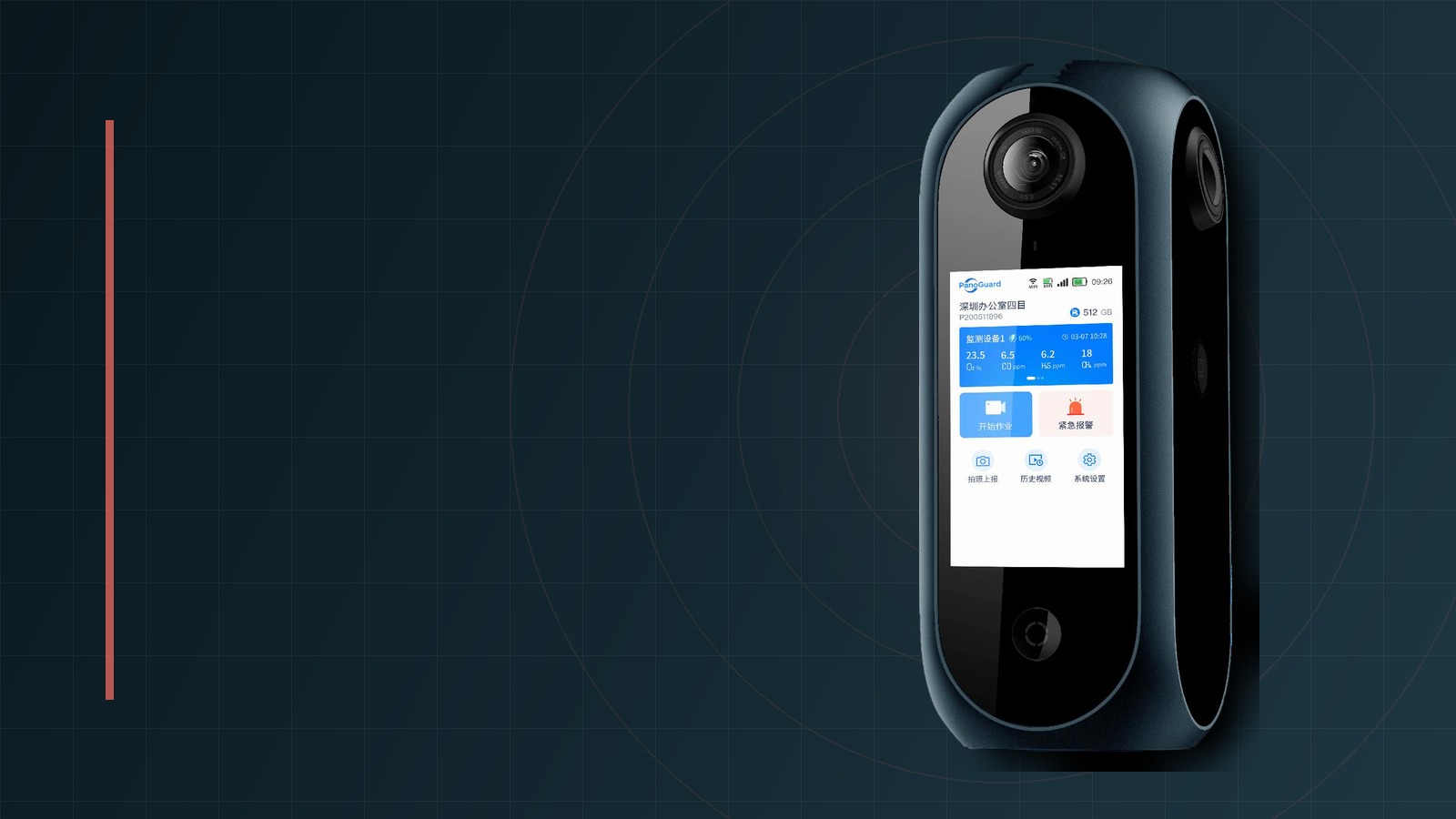
Where PanoGuard fits: mobile panoramic safety equipment. The final configuration and hazardous-area suitability must be verified against the selected model and the site classification.
Procurement Evidence
These public statements describe the current buyer-facing capability boundary. Project configuration and acceptance remain site-specific.
View PanoGuard EquipmentThe published PanoGuard configuration combines a 750g mobile unit, 8K panoramic capture, wireless real-time streaming and the product-specific marking Ex ib ⅡC T4 Gb.
Confirm the selected model, mounting position, site classification and deployment plan before use.One host can connect to up to eight external cylindrical gas-detection units.
Gas types, sensor ranges, calibration, communication method and protection requirements depend on the selected external units.Permit-to-work integration is a common project requirement.
Interface scope, data fields, approval authority and failure handling are defined for each site. The system does not replace the permit issuer or statutory process.Typical operating time is 12 hours at room temperature.
Actual runtime varies with video bitrate, wireless link, connected peripherals, battery condition and ambient conditions.Field Evidence
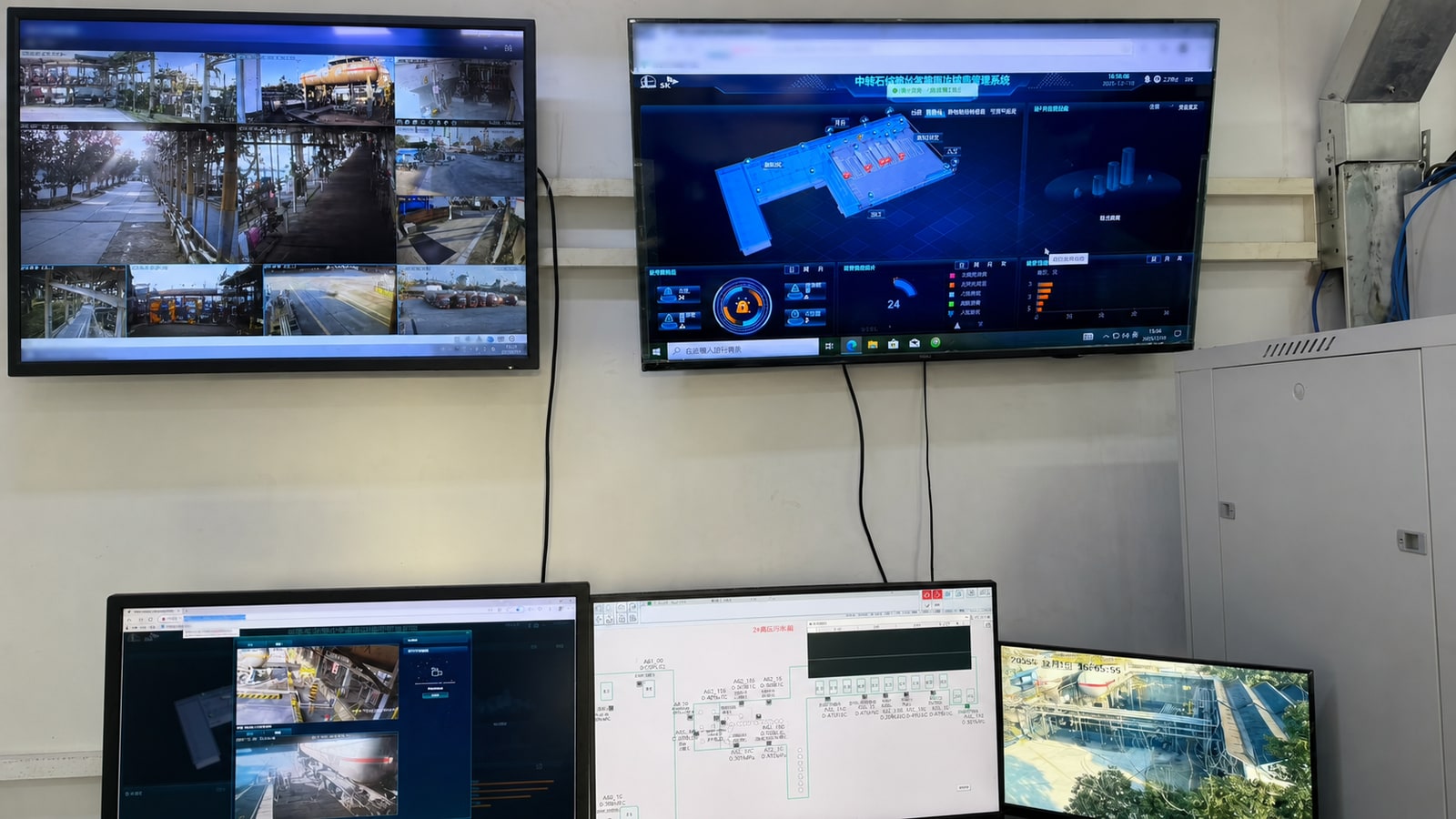
The visible system starts with the work face: people, equipment, environment and the actions required when conditions change.
Representative Field Reference
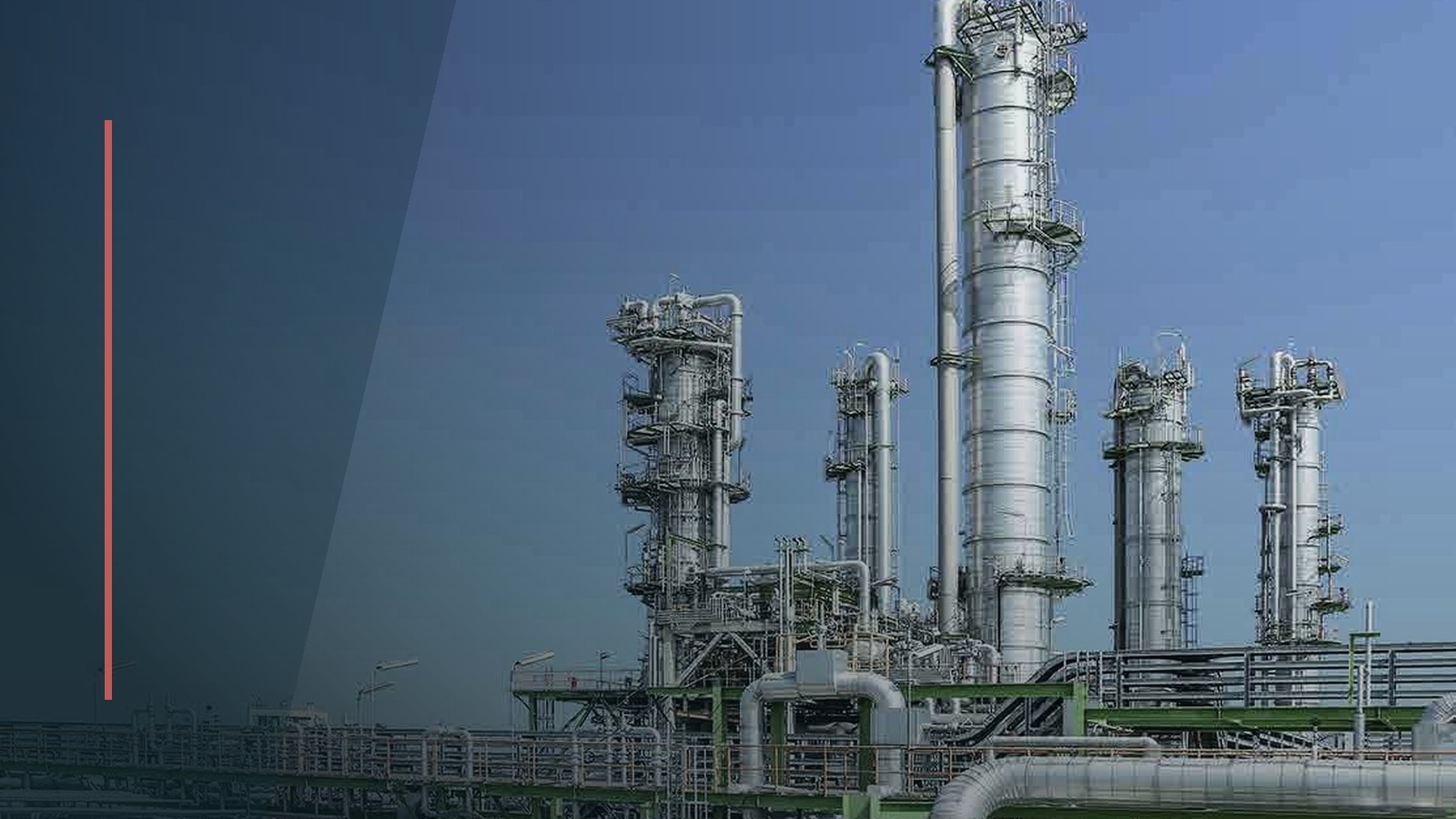
Mobile all-view equipment brings multi-angle observation to high-risk refining work, combining multi-camera fusion with on-site AI analysis and risk alerts.
Sensing and alerts support, rather than replace, site supervision, work permits or protective systems. Equipment counts, algorithm accuracy and acceptance metrics are not disclosed here.
Read the Public CaseHigh-Risk Operations
Each operation combines the equipment mix with the field record and the response path required by that scenario.
Discuss a SiteEquipmentSafety monitor + gas detector
A portable unit enters with the crew while supervisors watch a panoramic view outside. Gas alarms reach the standby watcher.
EquipmentPatrol unit + AR glasses + gas detector
Infrared recording and two-way voice retain the job context while specialists can support the field team remotely.
EquipmentSafety monitor + gas detector
Panoramic monitoring covers the wellhead and choke manifold while the danger zone remains visible to the control room.
EquipmentAR glasses + safety monitor + gas detector
Work instructions and the confirmation process are connected to field imagery and the operation record.
EquipmentBodycam + smart helmet + safety monitor
Multi-angle views retain the sequence of temporary protection removal and reinstatement.
EquipmentBodycam + smart helmet
Field imagery supports standing-position checks, rigger observation and night-operation records.
EquipmentAR glasses + smart helmet + safety monitor
Positioning and panoramic monitoring support buried-utility awareness and work-area control.
EquipmentSmart helmet + gas detector + safety monitor
Positioning, video AI and remote voice warning support designated-area and PPE controls.
EquipmentAR glasses + gas detector + safety monitor
Gas readings, panoramic imagery and task plans are retained around the active work permit.
EquipmentSmart helmet + safety monitor + gas detector
Worker state, panoramic monitoring and gas data remain visible during the operation.
EquipmentPatrol unit
Panoramic live view follows the inspector and keeps a visual record of the round.
EquipmentSmart helmet + AR glasses + safety monitor
Remote support, worker-state warning and panoramic coverage assist concentrated maintenance work.
Buyer FAQ
First separate fixed explosion-protected CCTV, AI software for existing cameras, mobile panoramic safety equipment, and connected gas-monitoring or permit-to-work systems. Then compare hazardous-area suitability, mobility, field of view, edge processing, gas and permit integration, communications, endurance, audit trail and field evidence.
No. PanoGuard is mobile panoramic safety equipment for temporary or moving work fronts. It can complement fixed cameras, but permanent coverage and each site’s statutory safety systems remain separate responsibilities.
One host can connect to up to eight external cylindrical gas-detection units. The selected gas types, ranges, calibration regime, communications and protection requirements must be confirmed for the project.
Permit-to-work integration is a common project requirement. The interface, data fields, approval authority, event routing and failure handling are defined for each site; the integration does not replace the authorised permit process.
Start with the product-specific marking and the intended site classification. Supporting compliance documents can be reviewed with qualified buyers or technical assessors under appropriate confidentiality arrangements. Public product information does not replace model-level document review or the site’s hazardous-area assessment.