

FAQ
What Is Physical AI for Industrial Spaces?
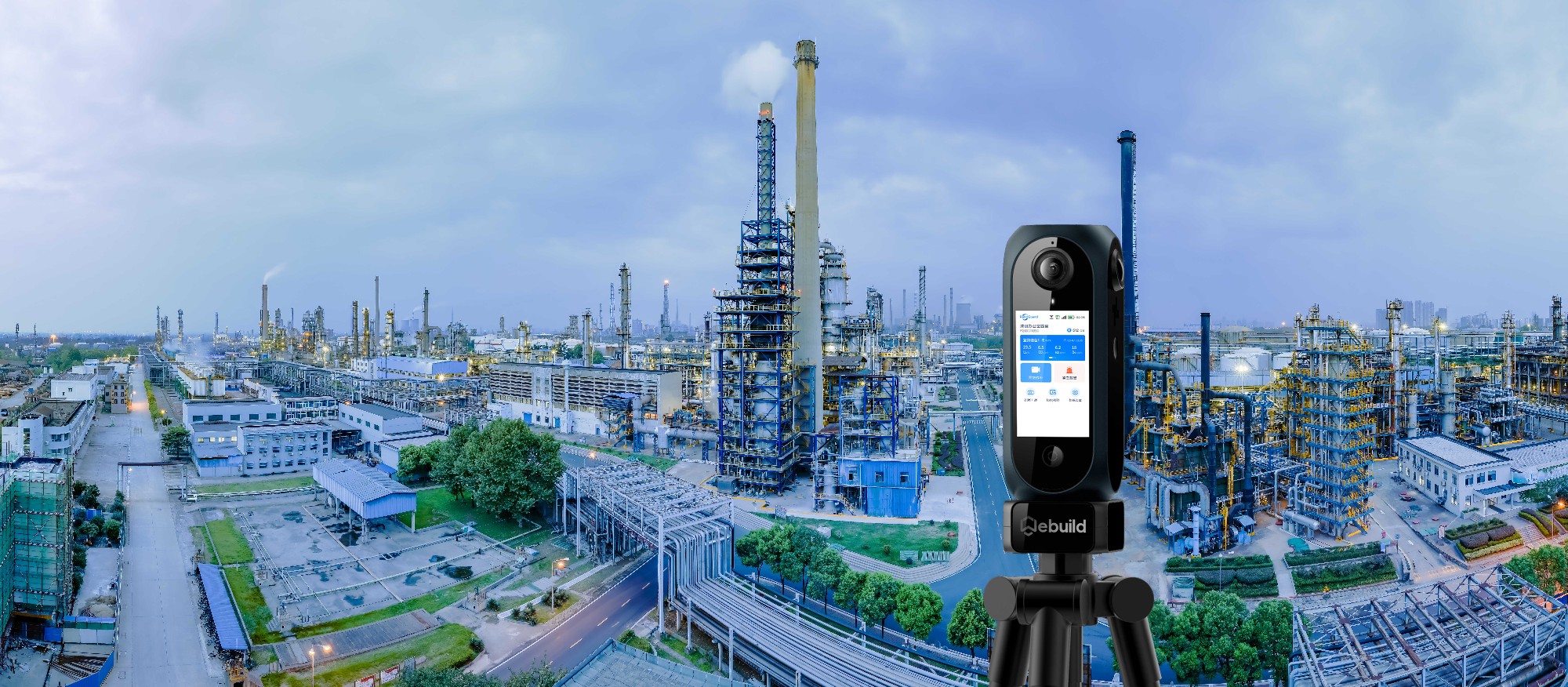
Physical AI is useful when it is defined around an operating problem rather than a technology label. In an industrial space, the system must first observe the real environment, then understand the observation in context, and finally support an authorised action.
Perceive the Live Environment
The inputs can include panoramic video, sound, gas readings, position, temperature, vibration, equipment state and work-process information. The important point is not the number of sensors. Each signal needs a known source, time, location, asset identity and quality state.
Compute with Operational Context
Models can combine field data with equipment logic, mechanism models, risk rules and authorised business context. Edge computing may be appropriate where latency, connectivity or data-control requirements make remote processing insufficient. The output should be a decision that an operator can understand and trace, not simply another dashboard value.
Act Through a Governed Response
Action does not always mean autonomous control. It can be an alert to a worker, a review request to a control room, a task assigned to a named owner or an approved command sent to equipment. The authority, safety checks and evidence required should be defined for each response.
How It Differs from Adjacent Terms
IoT connects and transports field data; Physical AI reasons over that data and supports a response.
Video analytics interprets camera streams; Physical AI can combine vision with other field signals and operational context.
Digital twins organise spatial, asset and state relationships; they can provide context for Physical AI but are not the whole closed loop.
Robotics and embodied AI place intelligence on machines that act in the environment; they can form the action layer of a wider Physical AI system.
Where Webuild Tech Applies the Approach
Webuild Tech combines intelligent sensing, scenario algorithm boxes, robot action brains and a Physical AI platform. The portfolio supports safety management, production control, intelligent inspection, smart operations and smart construction.
Deployment scope depends on site risk assessment, operating procedures, available data, network conditions and existing control-system interfaces. Physical AI supports perception, analysis and coordinated response; it does not replace statutory safety facilities, work permits, on-site supervision or established protection systems.