

FAQ
Why Does Physical AI Need First-Party Real-Time Data?
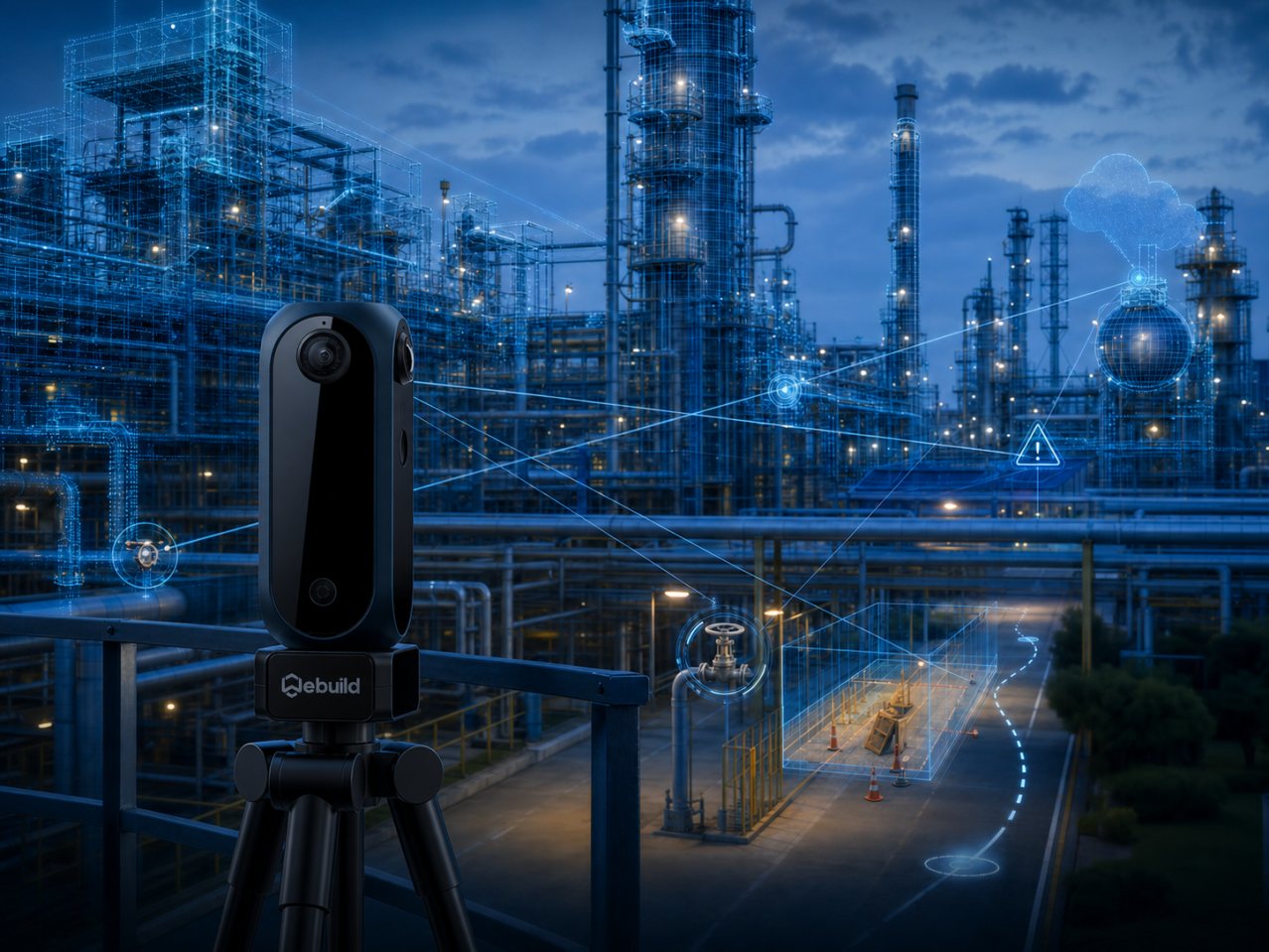
Industrial decisions are context dependent. The same temperature, pressure reading or worker movement can mean different things for different assets, operating modes, zones and work stages. A model needs to know where a signal came from and what was happening around it before the output can guide operations.
What First-Party Real-Time Data Means
First-party data is collected directly from the organisation's own field environment and authorised systems. It can include video, sound, gas, temperature, pressure, vibration, equipment state, position, permits and response records. Real-time does not require every signal to update in milliseconds; the update rate must match the decision.
Why the Context Matters
Field identity: the signal can be related to an asset, place, person, process or work task.
Current state: the system can identify change while it still matters operationally.
Mechanisms and rules: equipment logic, process boundaries and site procedures can be evaluated with multimodal models.
Traceable response: detection, acknowledgement, investigation, action and closure can be connected in one evidence chain.
General Models Still Have a Role
Public data and general-purpose models can provide language, vision and domain foundations. They can reduce the amount of training required for common patterns. They do not know a site's asset identifiers, authorised operating limits, permit status, network constraints or response ownership unless those are supplied through governed site data.
Connected Data Is Not Automatically Usable Data
Before a signal is used for alerts or control, verify the source, timestamp, engineering unit, quality state, asset mapping, sampling behaviour and access authority. A successfully connected point with the wrong unit or unclear identity is not a reliable operational input.
Start with one defined operating question and build the smallest complete chain from sensing to response. Introduce write-back separately, with risk review, permissions, testing and rollback.
Webuild Tech's Field-to-Action Architecture
Webuild Tech combines Intelligent Sensing, scenario algorithm boxes, robot action brains and a Physical AI Platform to connect perception, computation, spatial understanding, decision and action. The available closed-loop scope depends on the site's data, network and safety boundaries.